
Our Treatments
Advanced Care. Thoughtful Fertility Solutions.
Personalised fertility treatments delivered through careful evaluation, ethical practice, and evidence-based reproductive medicine approaches.









Restoring Reproductive Health Surgically
About the treatment
Surgical correction of reproductive abnormalities performed when structural issues affect conception. Improves natural fertility, treatment success, and implantation outcomes. Post-surgery recovery, follow-ups, and lifestyle care are essential.
Dr. Sunitha’s approach – She performs precise, minimally invasive fertility surgeries with careful planning, evidence-based techniques, and close postoperative monitoring to optimise reproductive outcomes.
- Uterine abnormalities affecting
- Endometriosis or pelvic adhesions
- Unexplained infertility with factors
- Blocked or damaged fallopian tubes
- Congenital uterine abnormalities
- Pelvic infections causing scarring
- Unable to conceive regularly
- Recurrent IVF failures
- Recurrent pregnancy loss
- Pelvic pain or painful menstruation
- Abnormal uterine bleeding
- Infertility with normal hormonal reports
- Minimally invasive fertility surgery
- Hysteroscopic uterine correction
- Removal of fibroids, polyps, adhesions
- Endometriosis excision for improvement
- Tubal corrective procedures appropriate
- Combined surgical fertility planning
- Improved uterine anatomy
- Higher natural conception chances
- Improved IVF and IUI success
- Reduced miscarriage risk
- Accurate diagnosis and treatment
- Long-term reproductive health
- Short hospital stay
- Gradual return to daily activities
- Pain control and infection prevention
- Follow-up fertility assessment
- Reproductive lifestyle guidance
- Timely planning of assisted conception
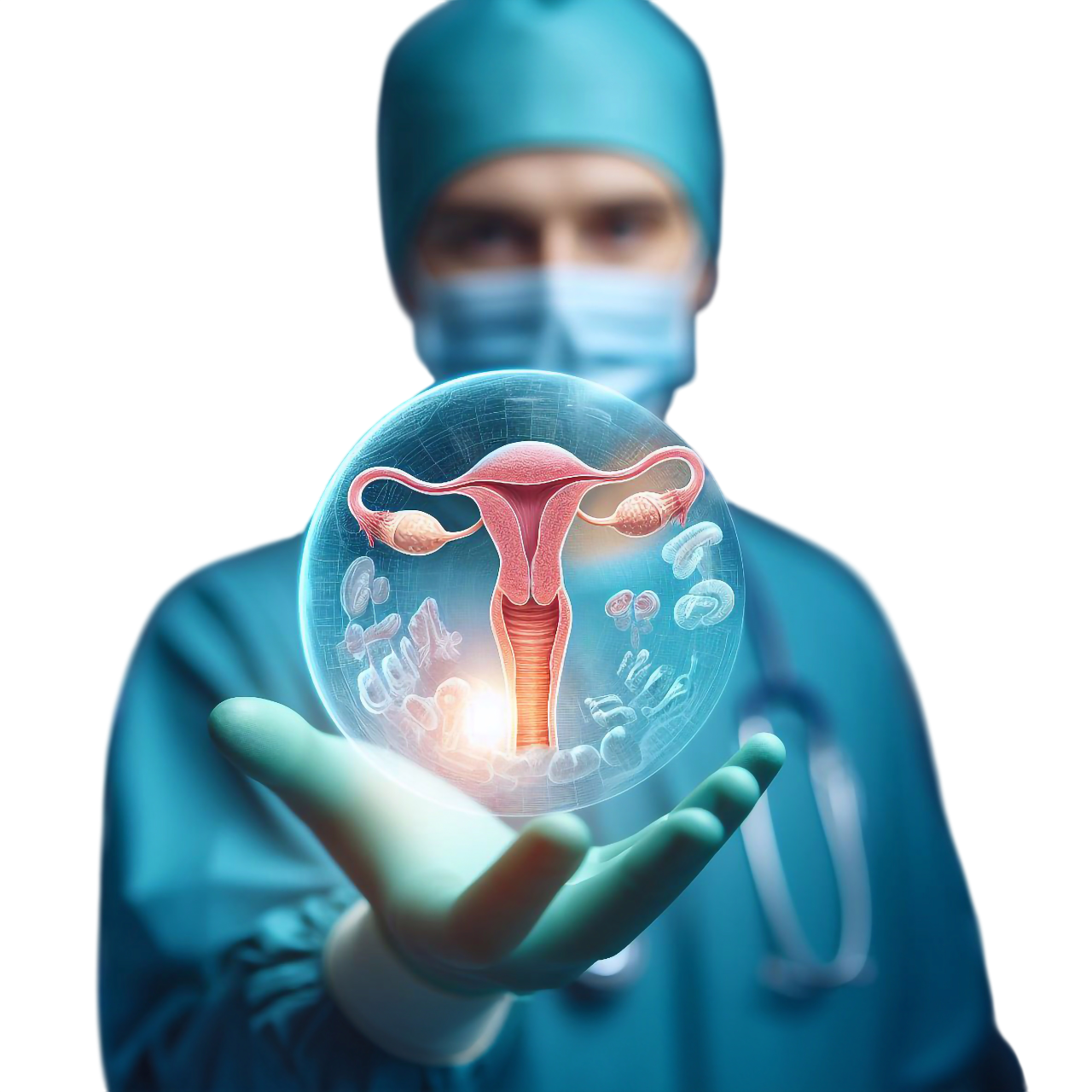



Personalised solutions for fertility challenges
About the treatment
Advanced reproductive therapies used when standard treatments fail. Addresses complex infertility causes using modern techniques. Improves pregnancy chances with personalised care, hormonal balance, and continuous monitoring.
Dr. Sunitha’s approach – She designs customised treatment protocols based on systematic evaluation, ensuring patients receive the most appropriate, ethical, and evidence-based fertility solutions.
- Failed basic fertility treatments
- Hormonal imbalances
- Age-related fertility decline
- Complex infertility conditions
- Multiple contributing factors
- Poor Ovarian Response
- Long-term infertility
- Repeated treatment failures
- Irregular menstrual cycles
- Delayed ovulation
- Poor ovarian response
- Difficulty conceiving
- Individualised fertility protocols
- Advanced hormonal optimisation
- Assisted reproductive techniques
- Ovulation induction strategies
- Continuous cycle monitoring
- Personalised care planning
- Improved chances of conception
- Better treatment success rates
- Reduced pregnancy complications
- Enhanced reproductive health
- Clear direction for next steps
- Increased confidence and hope
- Hormonal balance restoration
- Recovery of reproductive function
- Cycle regularisation support
- Physical strength rebuilding
- Emotional wellbeing support
- Fertility readiness optimisation
Advanced embryo creation and transfer
About the treatment
IVF fertilises eggs outside the body and transfers embryos into the uterus. Recommended for tubal, male, or unexplained infertility. Increases conception chances with controlled cycles and expert monitoring.
Dr. Sunitha’s approach – She carefully plans IVF cycles, selects embryos scientifically, and provides continuous counselling and support throughout treatment to improve implantation and pregnancy success.
- Blocked or damaged fallopian tubes
- Severe male factor infertility
- Endometriosis affecting conception
- Unexplained infertility
- Advanced maternal age
- Failed previous fertility treatments
- Difficulty conceiving naturally
- Failed IUI treatment cycles
- Poor egg quality
- Low sperm count or motility
- Long-standing infertility
- Recurrent pregnancy loss
- Controlled ovarian stimulation
- Ultrasound and hormonal monitoring
- Egg retrieval procedure
- Fertilisation and embryo culture
- Embryo transfer
- Genetic testing when required
- Higher chances of conception
- Pregnancy success rates
- Better embryo selection
- Reduced uncertainty in treatment
- Clear fertility treatment direction
- Increased confidence and hope
- Hormonal balance restoration
- Recovery of reproductive function
- Cycle regularisation support
- Physical and emotional wellbeing
- Improved uterine receptivity
- Fertility readiness optimisation


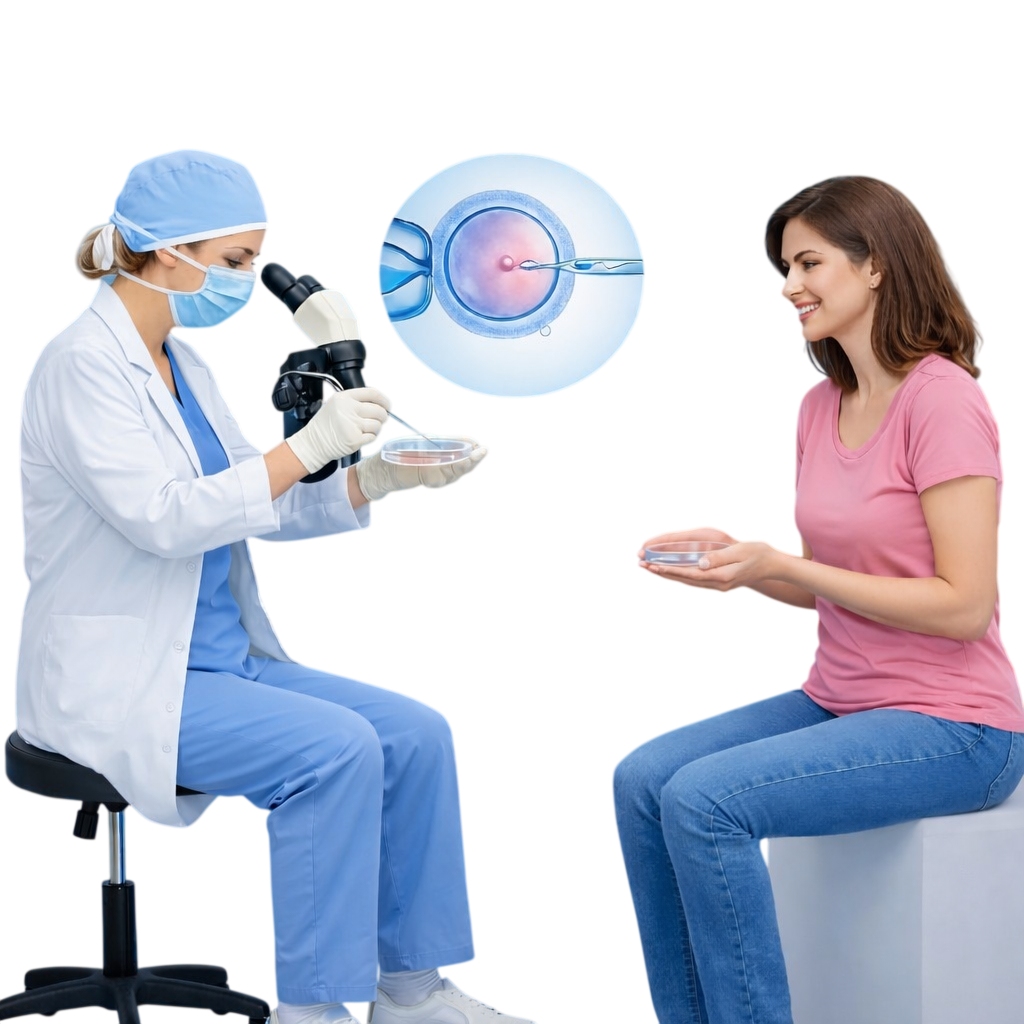
Precision sperm injection for fertilisation
About the treatment
ICSI injects a single sperm directly into an egg. Used for severe male infertility or failed fertilisation. Enhances fertilisation rates with specialised laboratory precision and embryo care.
Dr. Sunitha’s approach – She recommends ICSI after detailed evaluation, works closely with embryology teams, and ensures optimal fertilisation conditions and embryo development.
- Low sperm count
- Poor sperm motility
- Abnormal sperm morphology
- Previous IVF fertilisation failure
- Surgically retrieved sperm
- Unexplained male infertility
- Poor semen analysis results
- Repeated fertilisation failure
- Long-standing infertility
- Failed IVF cycles
- Male reproductive concerns
- Delayed conception
- Controlled ovarian stimulation
- Egg retrieval procedure
- Single sperm selection
- Direct sperm injection into egg
- Embryo culture and monitoring
- Embryo transfer
- Higher fertilisation success rates
- Improved embryo quality
- Better IVF cycle outcomes
- Reduced fertilisation failure risk
- Clear fertility progression path
- Increased confidence in treatment
- Improved fertilisation potential
- Recovery of reproductive balance
- Optimised embryo development
- Emotional wellbeing support
- Treatment readiness enhancement
- Continued fertility monitoring
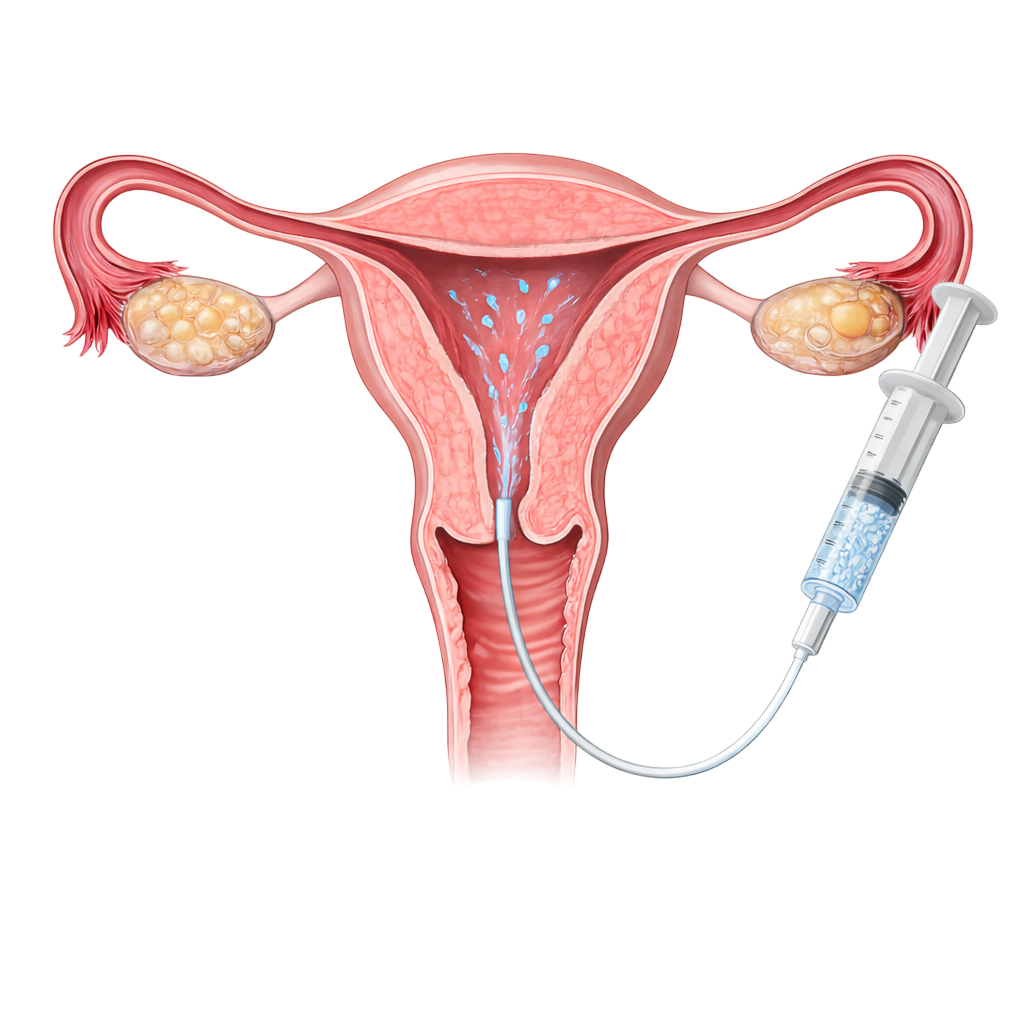
Assisted intrauterine sperm placement
About the treatment
IUI places prepared sperm directly into the uterus during ovulation. Suitable for mild male infertility or unexplained cases. Improves fertilisation chances with minimal intervention and monitoring.
Dr. Sunitha’s approach – She times insemination accurately, optimises ovulation induction, and monitors cycles closely to maximise success while keeping treatment simple.
- Mild male factor infertility
- Ovulation-related disorders
- Cervical mucus issues
- Unexplained infertility
- Sexual dysfunction concerns
- Early-stage fertility challenges
- Difficulty conceiving naturally
- Irregular ovulation patterns
- Mild sperm abnormalities
- Delayed conception
- Normal fertility investigations
- Early infertility diagnosis
- Ovulation induction medications
- Cycle monitoring and timing
- Sperm preparation and washing
- Intrauterine insemination procedure
- Ultrasound-guided ovulation tracking
- Planned treatment cycles
- Improved chances of conception
- Gentle assisted fertility option
- Cost-effective fertility treatment
- Clear assessment of fertility response
- Guided progression to next steps
- Increased confidence in treatment
- Improved fertilisation environment
- Regularised ovulation support
- Enhanced uterine receptivity
- Emotional wellbeing support
- Fertility readiness optimisation
- Hormonal balance support
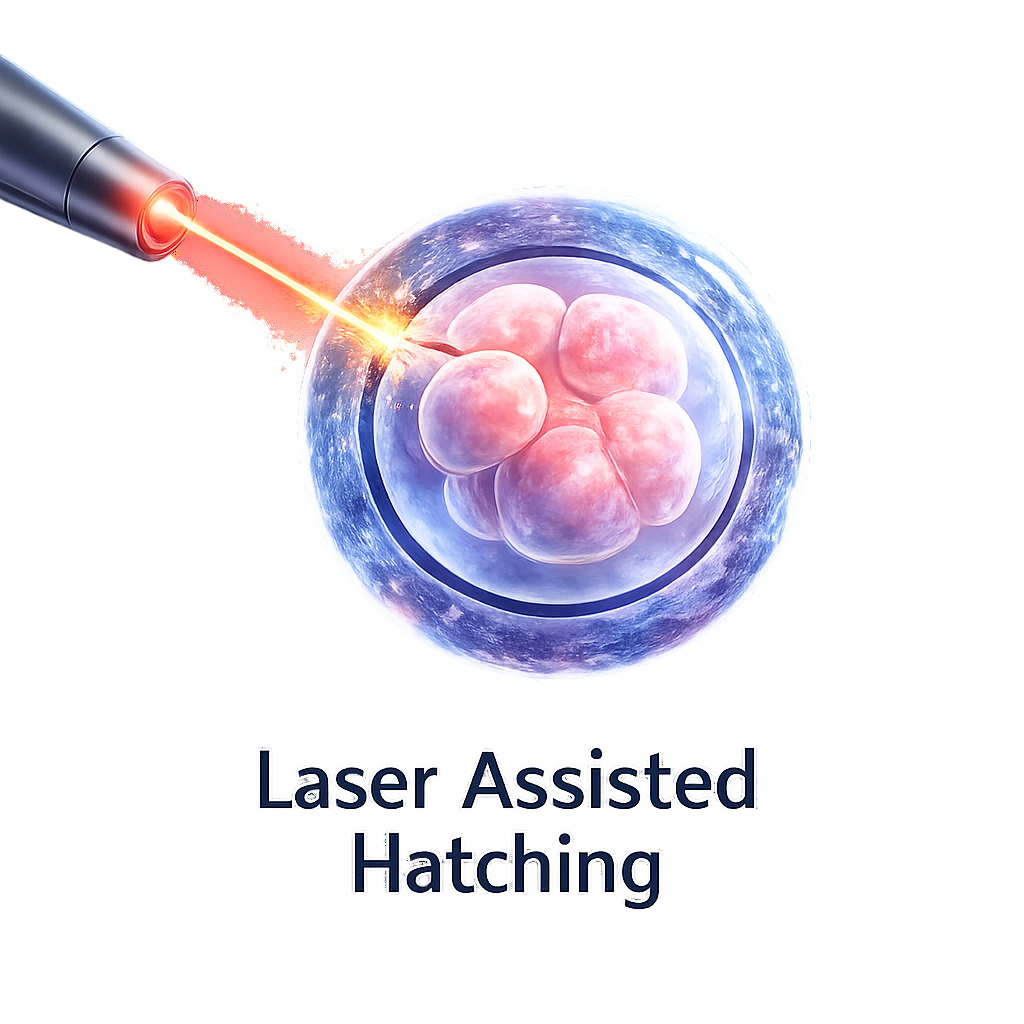
Improving embryo implantation potential
About the treatment
Laser technology gently thins the embryo’s outer shell to aid implantation. Recommended after repeated IVF failures or advanced maternal age. Improves embryo attachment potential.
Dr. Sunitha’s approach – She selectively advises laser hatching only when clinically beneficial, ensuring precise laboratory execution and optimal embryo safety.
- Thick embryo outer shell
- Advanced maternal age
- Repeated IVF implantation failure
- Poor embryo expansion
- Cryopreserved embryo transfers
- Reduced implantation potential
- Recurrent implantation failure
- Failed embryo transfers
- Good-quality embryos without implantation
- Delayed pregnancy despite IVF
- Repeated negative pregnancy tests
- Low implantation success
- Precision laser thinning of zona pellucida
- Selective embryo hatching assistance
- Laboratory-based laser procedure
- Performed before embryo transfer
- Applied only in indicated cases
- Combined with IVF or ICSI cycles
- Higher implantation success rates
- Improved pregnancy outcomes
- Reduced repeated transfer failures
- Better utilisation of good embryos
- Increased confidence in IVF cycles
- More treatment progression
- Improved embryo implantation ability
- Enhanced embryo expansion
- Optimised uterine–embryo interaction
- Increased implantation readiness
- Support for frozen embryo transfers
- Improved treatment response
Supporting conception with donor eggs
About the treatment
Egg donation helps women conceive when ovarian reserve is poor or eggs are unsuitable. Offers higher success rates with healthy donor eggs and careful recipient preparation.
Dr. Sunitha’s approach – She guides patients ethically through donor selection, endometrial preparation, and emotional counselling, ensuring safety, transparency, and successful pregnancy outcomes.
- Diminished Ovarian Reserve
- Premature Ovarian Failure
- Repeated IVF Failures
- Medical or Surgical Causes
- Genetic Conditions
- Low Oocyte Yield
- Age 23–35 years
- Has at least one healthy child
- Physically and mentally healthy
- No genetic or hereditary disorders
- Infectious disease screening cleared
- Healthy BMI, non-smoker, drug-free
- Careful donor screening and selection
- Donor and Recipient Cycle Matching
- Egg retrieval from donor
- Fertilisation with partner’s sperm
- Embryo development and selection
- Embryo transfer to uterus
- Higher pregnancy success rates
- Improved embryo quality
- Reduced treatment uncertainty
- Better implantation chances
- Safer pregnancy outcomes
- Renewed hope for parenthood
- Personalised counselling
- Personalised counselling
- Ethical transparency
- Continuous supervision
- Endometrial monitoring
- Regular follow-ups
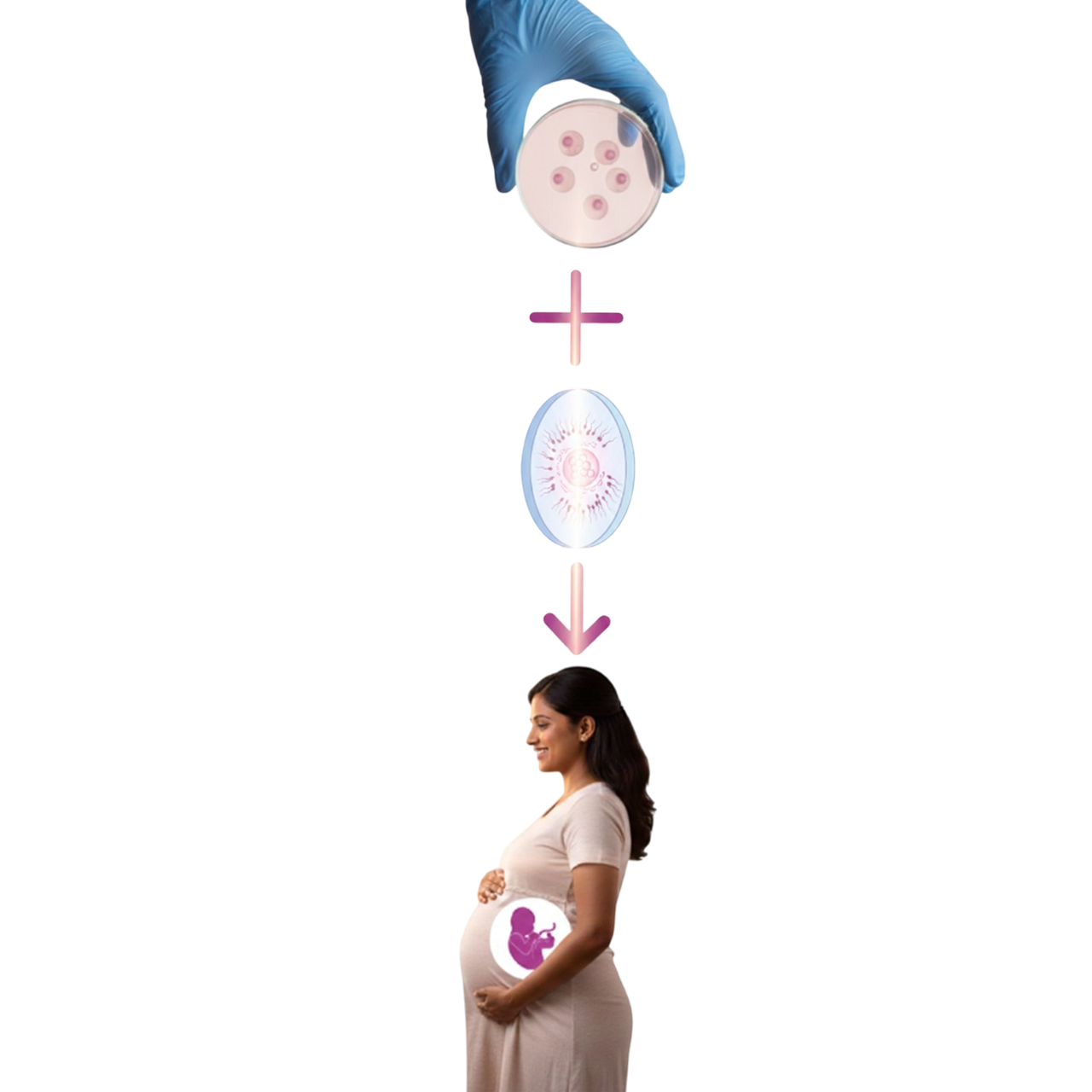
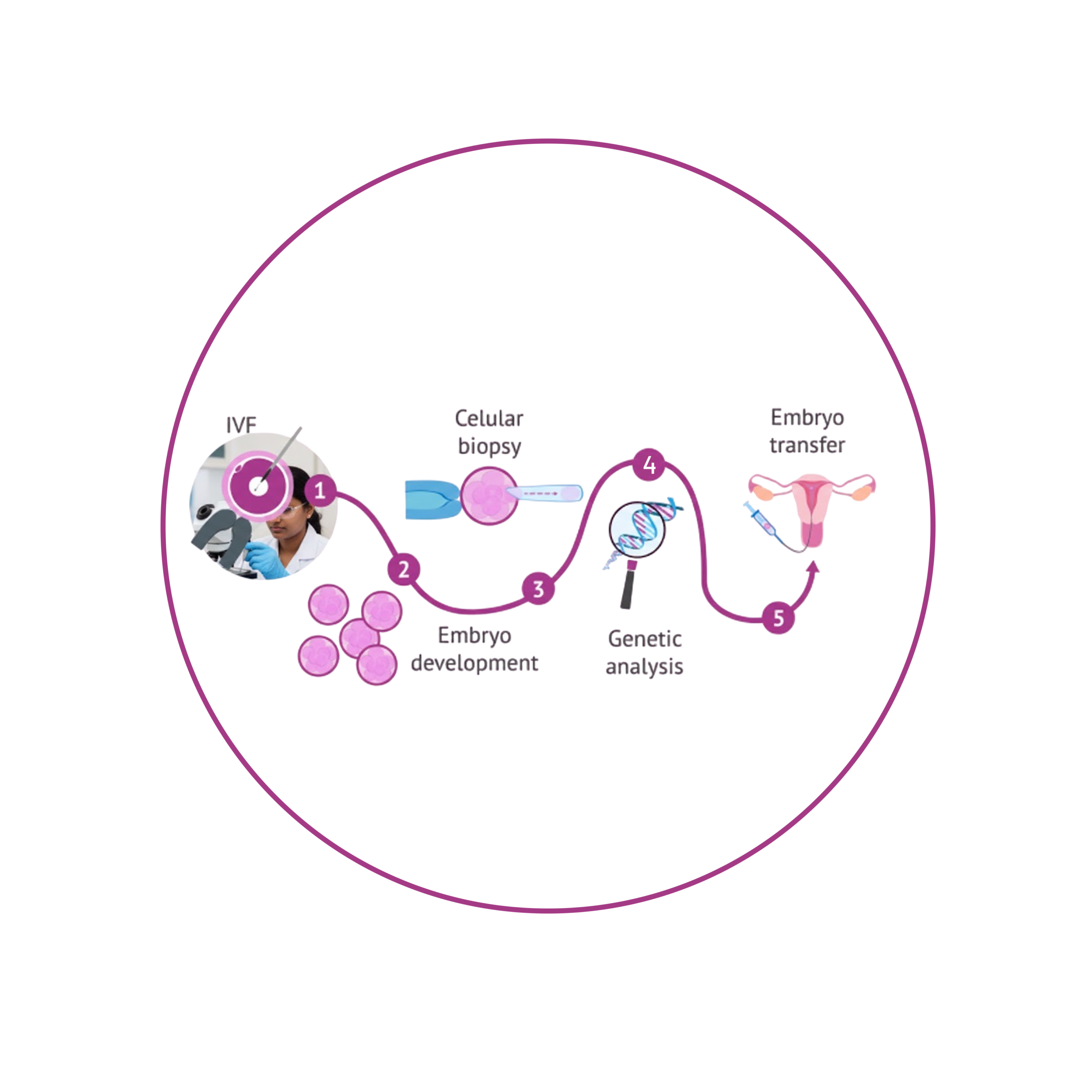
Genetic testing for inherited disorders
About the treatment
PGD is a specialised genetic test performed on embryos to detect specific inherited genetic disorders before transfer. It is recommended for couples with known genetic diseases, recurrent miscarriages, or repeated IVF failures to ensure healthier pregnancies
Dr. Sunitha’s approach – She advises PGD only when clinically indicated, works closely with genetic specialists, carefully analyses results, and selects unaffected embryos to improve pregnancy safety and long-term outcomes.
- Carriers of inherited genetic disorders
- Chromosomal abnormality carriers
- Recurrent pregnancy loss cases
- Advanced maternal age patients
- Repeated IVF failure cases
- Sex-linked genetic conditions
- PCR: Helps in Detects specific gene mutations
- NGS: Comprehensive genetic sequencing method
- FISH: Chromosome identification technique
- Informativity study: Confirms mutation detectability
- Parental genetic screening: Ensures test accuracy
- Embryo-level analysis: Precise genetic evaluation
- Medical and psychological screening
- Surrogate matching and legal agreements
- IVF-based embryo creation process
- Egg retrieval and fertilisation
- Embryo transfer to surrogate uterus
- Pregnancy confirmation and prenatal care
- Delivery and legal parenthood transfer
- Delivery and legal parenthood transfer
- Higher pregnancy success rates (over 50% cumulatively)
- Significant reduction in miscarriage risk
- High genetic testing accuracy (90–95%)
- Live birth rates around 48–50% per cycle
- Improved outcomes in single-gene disorders
- Condition-specific success based on indication
- Emotional reassurance
- Reduced genetic anxiety
- Clear reproductive direction
- Improved treatment preparedness
- Safer pregnancy planning
- Enhanced peace of mind
Chromosomal screening for embryo health
About the treatment
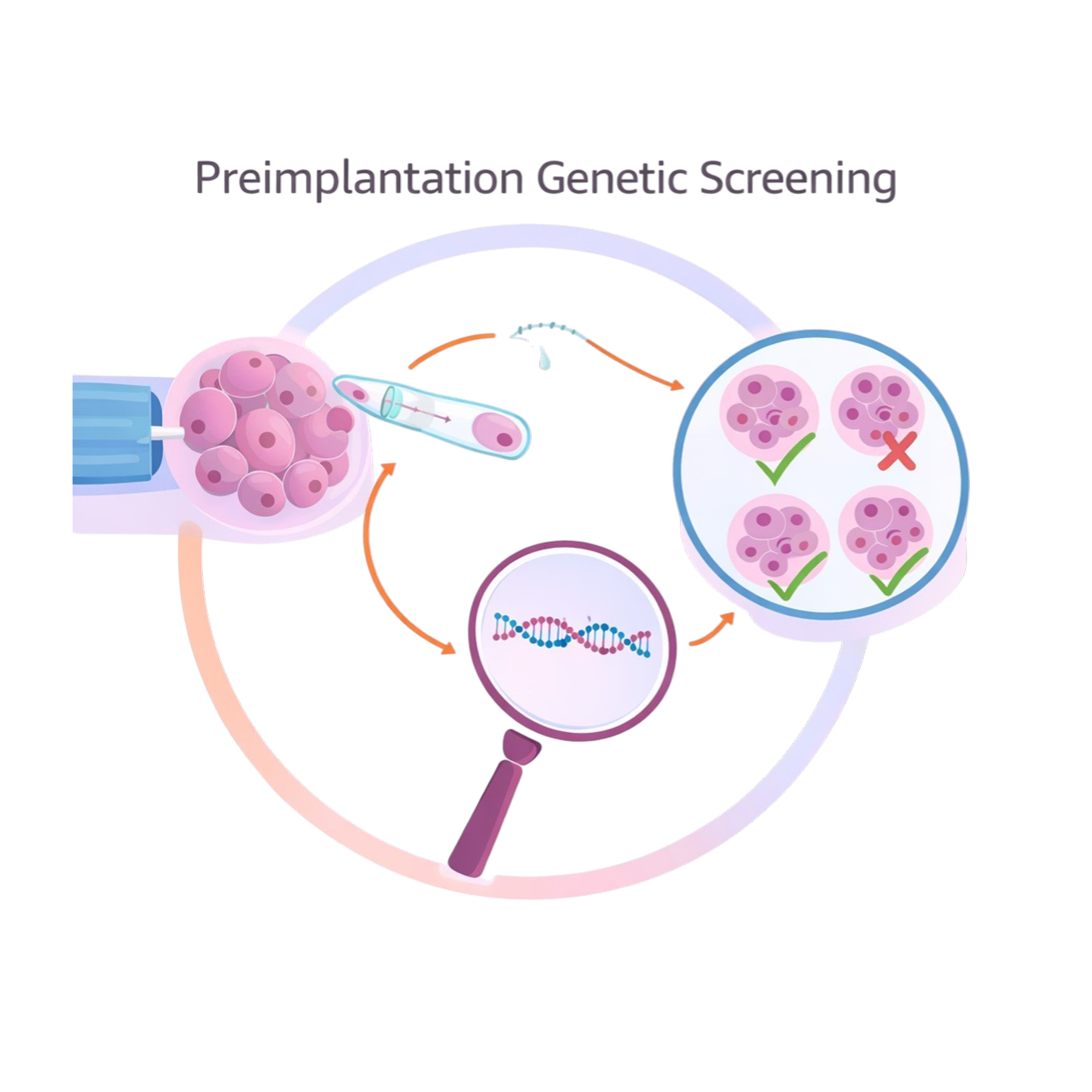
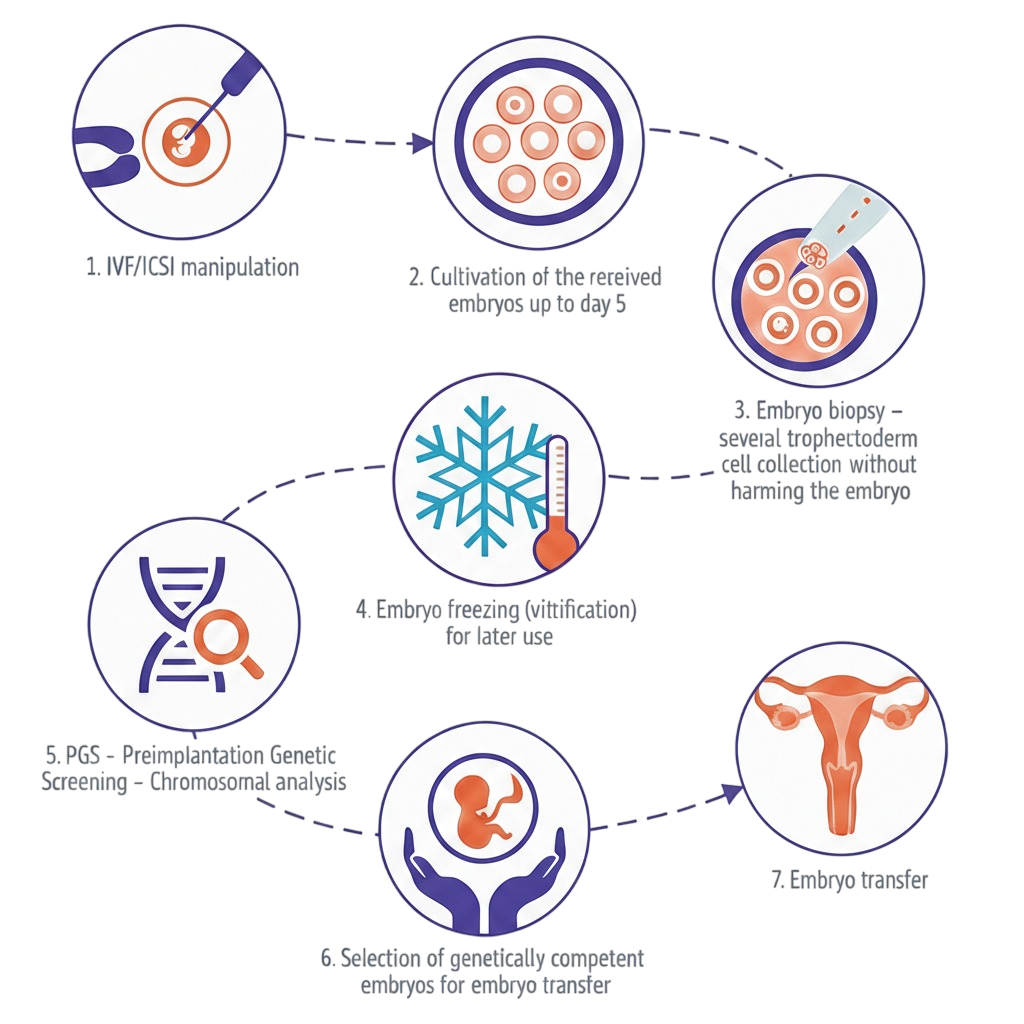
PGS screens embryos for chromosomal abnormalities before transfer, helping identify genetically normal embryos, improving implantation rates, reducing miscarriage risk, and increasing chances of a healthy pregnancy.
Dr. Sunitha’s approach – She recommends PGS selectively, collaborates with advanced genetic laboratories, interprets results carefully, and plans embryo transfer using the healthiest embryos to optimise pregnancy outcomes.
- For who trying to conceive after 35
- Recurrent Miscarriages
- Multiple unsuccessful IVF attempts
- Concerns about embryo health
- Earlier chromosomal abnormality
- Elective embryo selection in IVF
- IVF with embryo development
- Culture to blastocyst stage
- Trophectoderm biopsy
- Chromosomal screening using NGS
- Identification of normal embryos
- Planned embryo transfer
- Missing or extra chromosomes (aneuploidy)
- Down syndrome (extra chromosome 21)
- Edwards syndrome (chromosome 18)
- Patau syndrome (chromosome 13 abnormality)
- Sex chromosome conditions (X or Y changes)
- Small chromosomal gains or losses
- Improved implantation rates
- Reduced miscarriage risk
- Higher IVF success rates
- Better embryo selection
- Safer pregnancy outcomes
- More predictable results
- Follow prescribed medications strictly
- Avoid heavy exercise and strain
- Maintain a healthy, balanced diet
- Reduce stress and get adequate rest
- Attend scheduled follow-up visits
- Consult doctor before next steps
Gestational support for intended parents
About the treatment
Surrogacy enables pregnancy through a medically screened surrogate when carrying is unsafe or impossible. The process involves IVF embryo creation, transfer to surrogate, pregnancy monitoring, and coordinated medical, legal, and emotional support.
Dr. Sunitha’s approach – She provides ethical surrogacy care with systematic evaluation, careful coordination with legal teams, transparent counselling, meticulous IVF planning, and continuous medical supervision until safe delivery and follow-up.
- Legally married couple (min 5 yrs)
- Wife aged 23–50 years
- Wife aged 23–50 years
- Proven medical need for surrogacy
- No living biological or adopted child
- Indian citizens or OCI holders
- Must be a close relative of the intending couple
- An ever-married woman (married, divorced, or widowed)
- Have at least one healthy biological child
- Must be between 25 and 35 years of age
- Permitted to act as a surrogate only once in her lifetime
- Medically and psychologically fit, as certified by authorised specialists
- Medical and psychological screening consultations
- Surrogate matching and legal agreements
- IVF-based embryo creation process, egg retrieval and fertilisation
- Carefully planned embryo transfer to surrogate uterus
- Pregnancy confirmation and prenatal care
- Delivery and legal parenthood transfer, Postpartum care and support
- Higher pregnancy success rates (over 50% cumulatively)
- Significant reduction in miscarriage risk
- High genetic testing accuracy (90–95%)
- Live birth rates around 48–50% per cycle
- Improved outcomes in single-gene disorders
- Condition-specific success based on indication
- Emotional reassurance
- Reduced genetic anxiety
- Clear reproductive direction
- Improved treatment preparedness
- Safer pregnancy planning
- Enhanced peace of mind
Uterine cavity evaluation and correction
About the treatment
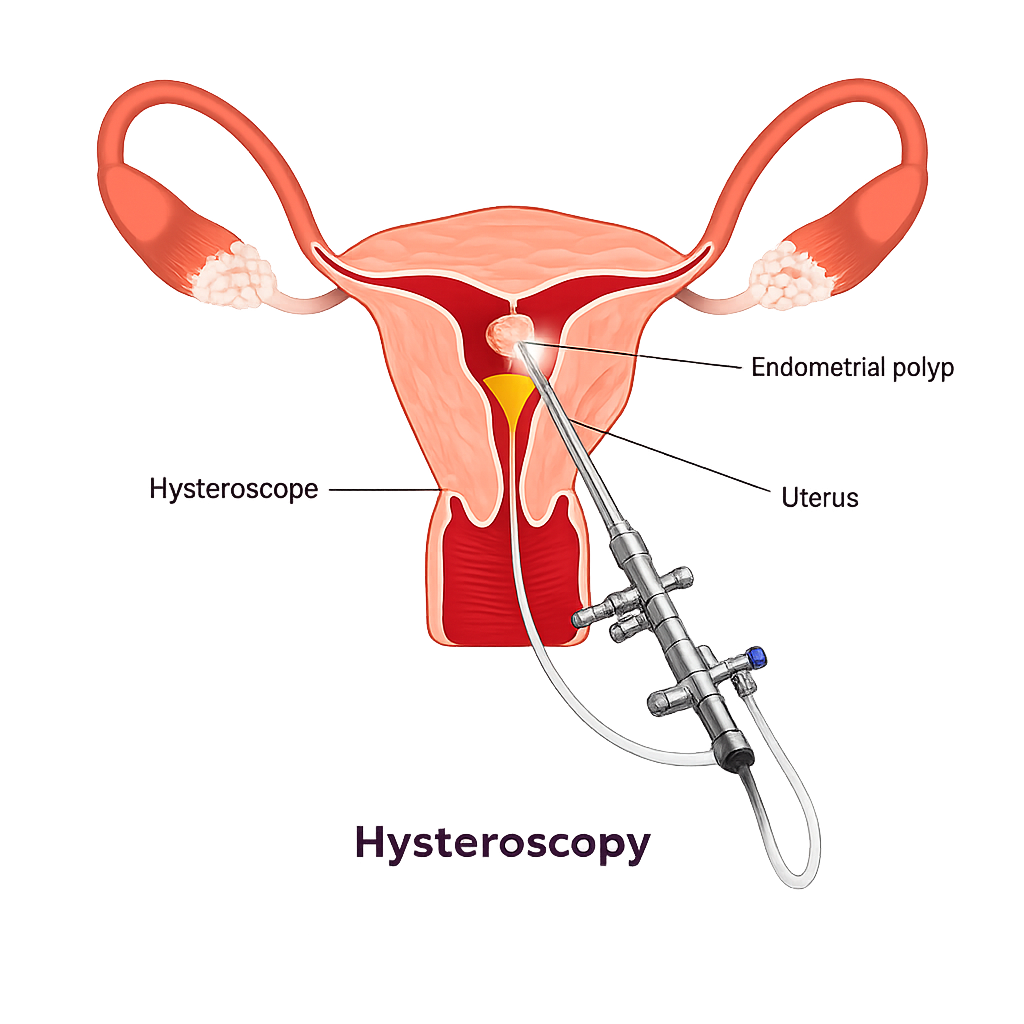
Hysteroscopy is a minimally invasive procedure used to diagnose and correct abnormalities within the uterine cavity that may interfere with fertility or cause abnormal bleeding. It allows direct visual assessment and targeted treatment, improving uterine health, implantation potential, and overall reproductive outcomes.
Dr. Sunitha’s approach – She performs hysteroscopy with precision and minimal intervention, using advanced visual guidance and evidence-based techniques. Each procedure is carefully planned to address the specific uterine condition, with close postoperative monitoring and personalised fertility guidance to optimise reproductive outcomes.
- Infertility or difficulty conceiving
- Repeated IVF implantation failure
- Occurs despite good-quality embryo transfer
- Abnormal or heavy uterine bleeding
- Suspected uterine polyps, fibroids
- Abnormal findings on ultrasound
- Thin, lighted hysteroscope is used
- Passed gently through the cervix
- Direct view of the uterine cavity
- Identifies uterine abnormalities
- Treatment performed if needed
- Minimally invasive day-care procedure
- Direct visual evaluation of the uterine cavity
- Precise diagnosis with targeted treatment
- Single-procedure diagnosis and correction
- No external incisions or sutures required
- Improved endometrial receptivity for implantation
- Enhanced fertility and pregnancy outcomes
- Follow pre-procedure medical instructions
- Complete advised investigations
- Inform doctor about medications
- Maintain proper genital hygiene
- Avoid intercourse before procedure
- Fast if anaesthesia is planned
- Short rest period after procedure
- Mild discomfort subsides quickly
- Resume normal activities gradually
- Take prescribed medications regularly
- Attend follow-up consultations
- Plan fertility treatment as advised
Minimally invasive pelvic fertility surgery
About the treatment
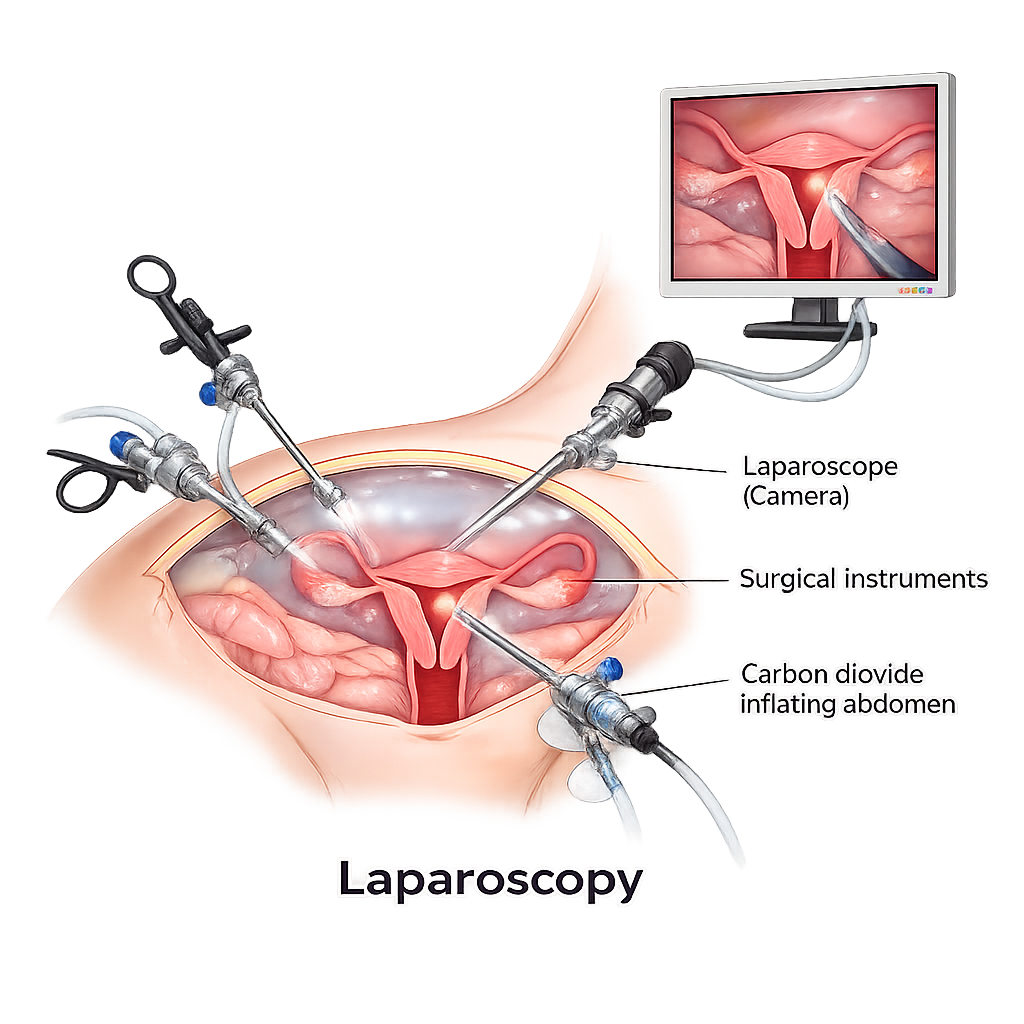
It is a minimally invasive surgical procedure used to diagnose and correct reproductive abnormalities that may interfere with conception. It is performed when structural or pelvic conditions affect fertility, helping improve natural conception, treatment success, and implantation outcomes. Proper postoperative recovery, follow-up care, and lifestyle guidance are essential for optimal results.
Dr. Sunitha’s approach – She performs advanced laparoscopic fertility surgeries with precision and minimal tissue trauma. Each procedure is carefully planned using evidence-based techniques, with close postoperative monitoring and personalised fertility care to optimise reproductive outcomes
- Infertility related to pelvic conditions
- Endometriosis affecting conception
- Blocked or damaged fallopian tubes
- Ovarian cysts impacting fertility
- Pelvic adhesions or scarring
- Unexplained infertility after evaluation
- Direct visual assessment of pelvic organs
- Accurate diagnosis of fertility conditions
- Treatment during the same procedure
- Minimal incisions and reduced pain
- Faster recovery compared to open surgery
- Improved fertility and pregnancy outcomes
- Performed through small abdominal incisions
- Laparoscope provides magnified internal view
- Carbon dioxide used to visualise organs
- Identification of pelvic abnormalities
- Surgical correction done if required
- Conducted under general anaesthesia
- Complete preoperative investigations
- Follow fasting and medication guidelines
- Inform doctor about existing medical conditions
- Maintain incision site cleanliness
- Avoid strenuous activity initially
- Attend scheduled follow-up visits
- Short hospital stay or day-care procedure
- Mild abdominal discomfort expected
- Gradual return to normal activities
- Healing of incision sites within days
- Improved pelvic anatomy and function
- Enhanced chances of natural
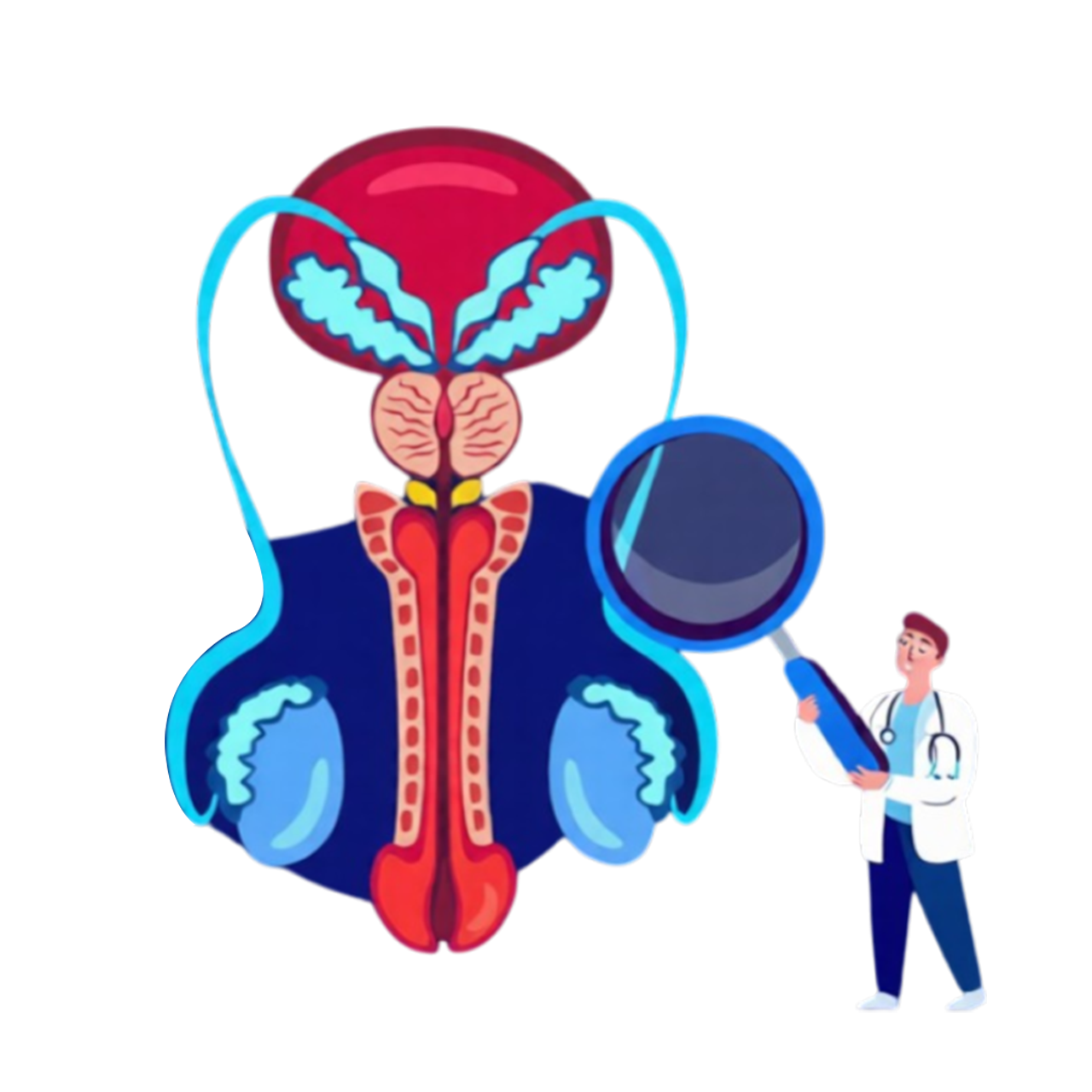
Diagnosis and treatment of male infertility
About the treatment
Andrology focuses on the evaluation and treatment of male reproductive and fertility-related conditions. It addresses factors such as sperm quality, hormonal balance, and sexual health issues that may affect conception. Proper diagnosis, targeted treatment, lifestyle modification, and follow-up care are essential to improve male fertility and support successful reproductive outcomes.
Dr. Sunitha’s approach – She follows a comprehensive and evidence-based approach to male fertility care, combining detailed evaluation, personalised treatment planning, and advanced diagnostic techniques. Close monitoring, counselling, and coordinated fertility care are provided to optimise reproductive outcomes and support successful conception.
- Male infertility or subfertility
- Low sperm count or motility
- Abnormal sperm morphology
- Erectile or ejaculation disorders
- Unexplained infertility evaluation
- Detailed medical and reproductive history
- Semen analysis and advanced sperm testing
- Hormonal and genetic evaluation
- Medical or procedural treatment planning
- Sperm retrieval when indicated
- Personalised fertility management approach
- Accurate assessment of male fertility
- Identification of treatable male factors
- Improved sperm quality and function
- Enhanced chances of natural conception
- Supports assisted reproductive treatments
- Improves overall reproductive health
- Follow abstinence guidelines before testing
- Avoid fever or illness before evaluation
- Inform doctor about medications
- Maintain healthy lifestyle habits
- Adhere to treatment instructions
- Attend scheduled follow-up visits
- Minimal recovery time required
- Gradual improvement in sperm parameters
- Enhanced fertility treatment response
- Better outcomes in IVF or ICSI
- Ongoing monitoring of male health
- Long-term reproductive wellness support